Key Terms
Limit order
An instruction to trade only at a chosen price or better, fixing the worst acceptable price but not whether the trade ever happens.
By the Investfora Research Desk
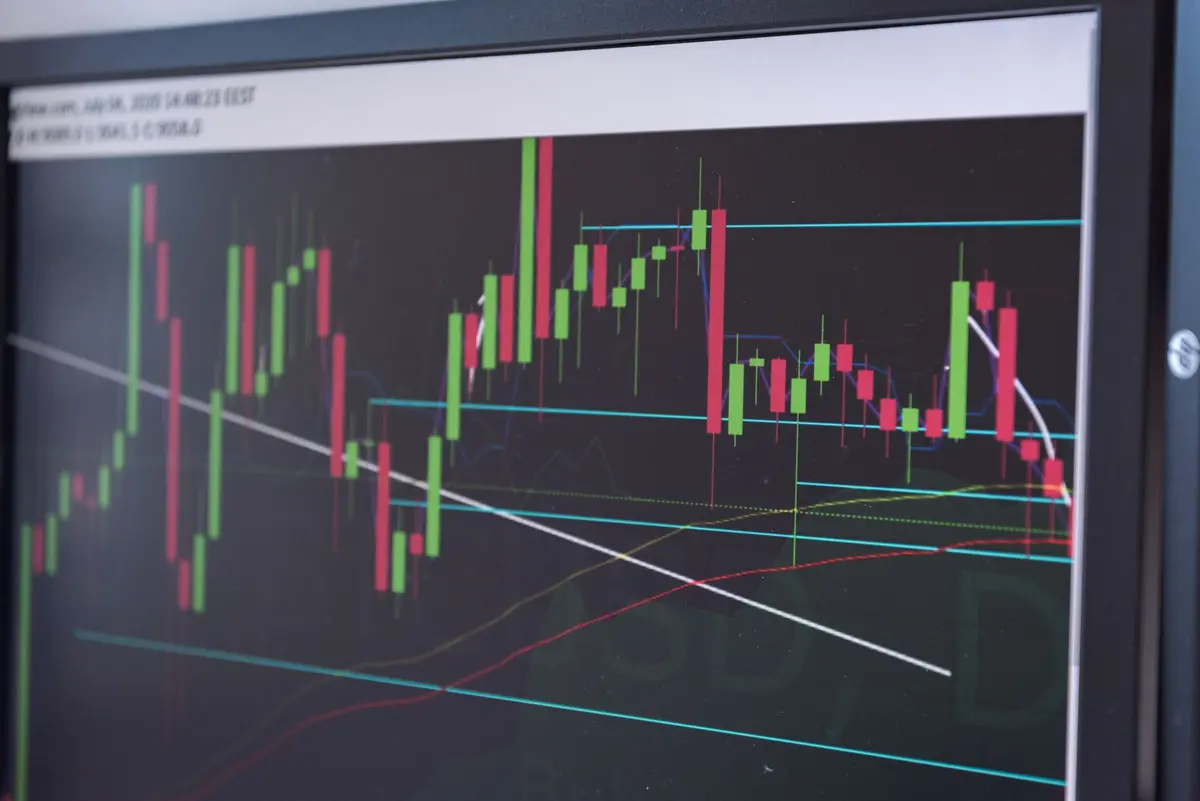
A limit order is an instruction to buy or sell only at a chosen price or better: a buy order at or below the limit, a sell order at or above it. The price is fixed and the execution is not. If the market reaches the limit, the order can fill; if it never does, the order simply waits, unfilled, until it lapses or is cancelled. The trader controls the worst acceptable price at the cost of any certainty that the trade happens at all.
A worked example
Imagine a share trading at a hypothetical £52. An investor places a limit order to buy 200 shares at £50. If the price falls to £50, the order can execute, and the purchase costs at most £10,000 — never more. If the price instead drifts upward and never touches £50 again, the order sits unexecuted indefinitely: the market is under no obligation to come to it.
A limit order fixes a boundary, not an outcome. It does not say whether the order will fill, when, or in full — in a thin market an order may execute only partly, leaving the remainder waiting.