Key Terms
Pip
The standard smallest quoted move in a currency pair, serving as the unit in which foreign-exchange moves and spreads are measured.
By the Investfora Research Desk
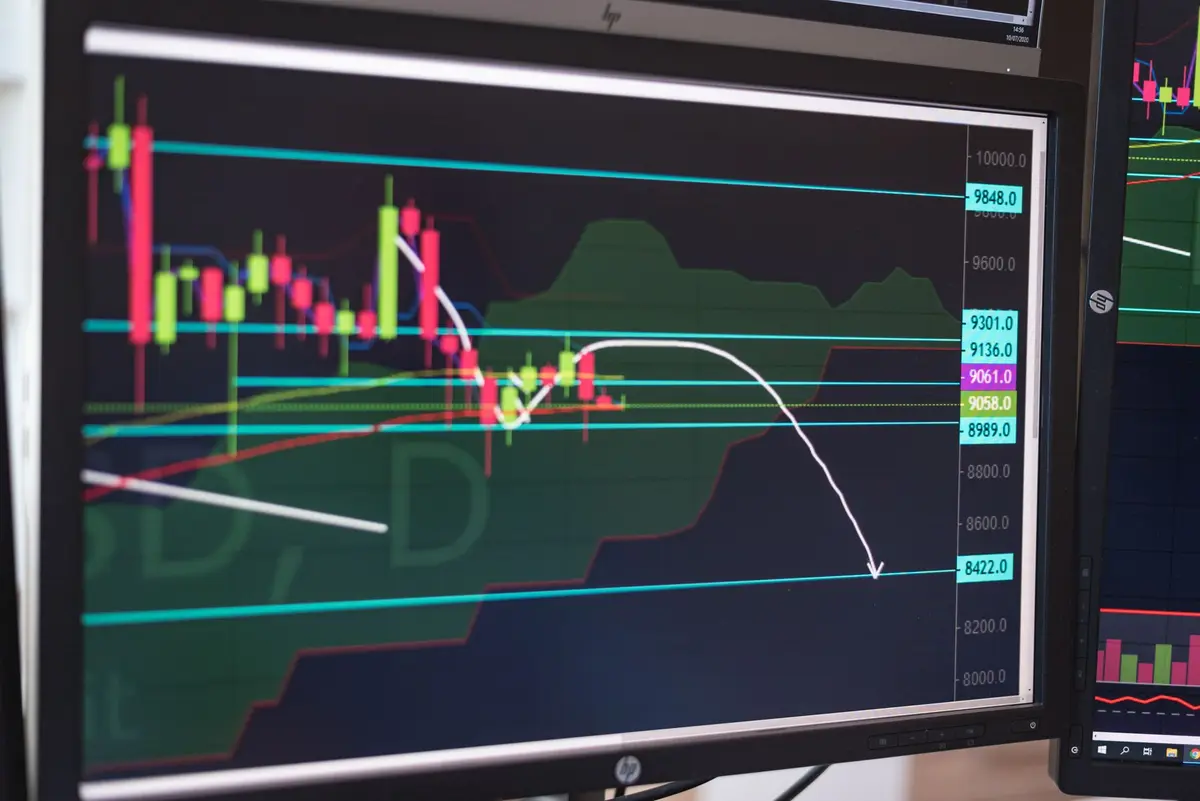
A pip is the standard smallest quoted move in a currency pair — for most pairs, a change in the fourth decimal place of the price. It is the working unit of foreign exchange: price moves, spreads and gains are counted in pips, much as equity moves are counted in pence or points. Where a pair is quoted to fewer decimal places, the pip sits at a different position, but the principle is the same: one pip is the conventional minimum step of the quote.
A worked example
Imagine a hypothetical currency pair quoted at 1.2500. If the quote rises to 1.2560, it has moved 60 pips, since each pip here is 0.0001. If the pair shows a bid of 1.2500 and an ask of 1.2503, the spread is 3 pips. And if a position is sized so that each pip is worth £10, that 60-pip move changes the position's value by £600.
A pip measures distance, not money. Its cash value depends entirely on the size of the position and the currencies involved, and a count of pips says nothing about how large a move is in percentage terms.