Key Terms
Slippage
The difference between the price expected when an order is placed and the price at which it actually executes.
By the Investfora Research Desk
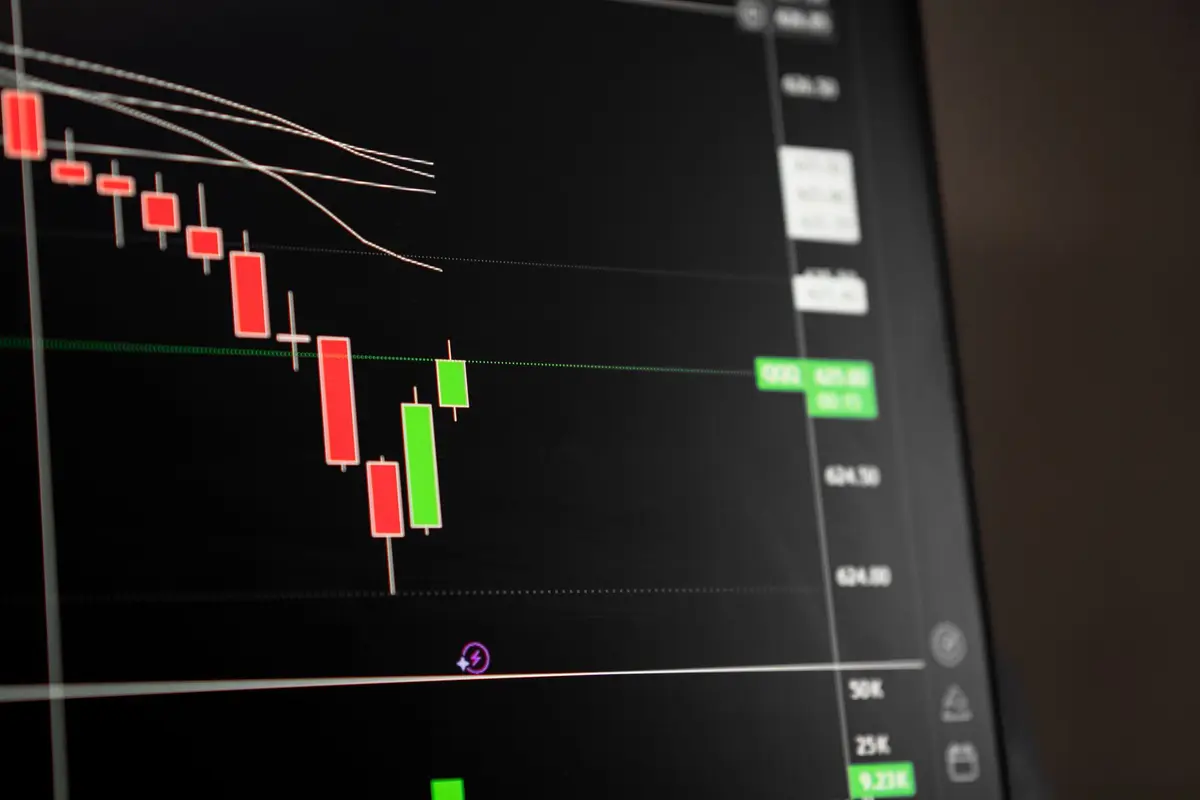
Slippage is the gap between the price a trader expected when placing an order and the price at which the order actually executed. It arises because markets move in the interval — however brief — between decision and execution, and because an order may be larger than the volume available at the quoted price. It grows with the speed of the market's movement and the thinness of its trading, and it can run in either direction, though it is usually noticed when unfavourable.
A worked example
Suppose an investor sees a share quoted at a hypothetical £30.00 and places an order to sell 1,000 shares. In a fast-falling market the order executes at £29.70 — slippage of 30 pence per share, or £300 across the whole order. Had the market ticked upward instead, the same order might have filled at £30.05, a favourable slippage of 5 pence per share.
Slippage is measured after the event. The figure on one order describes what happened that time, not what the next order will meet, and it does not by itself separate the contribution of market speed from that of market depth.