Key Terms
Liquidity
How quickly and easily an asset can be converted into cash without materially moving its price.
By the Investfora Research Desk
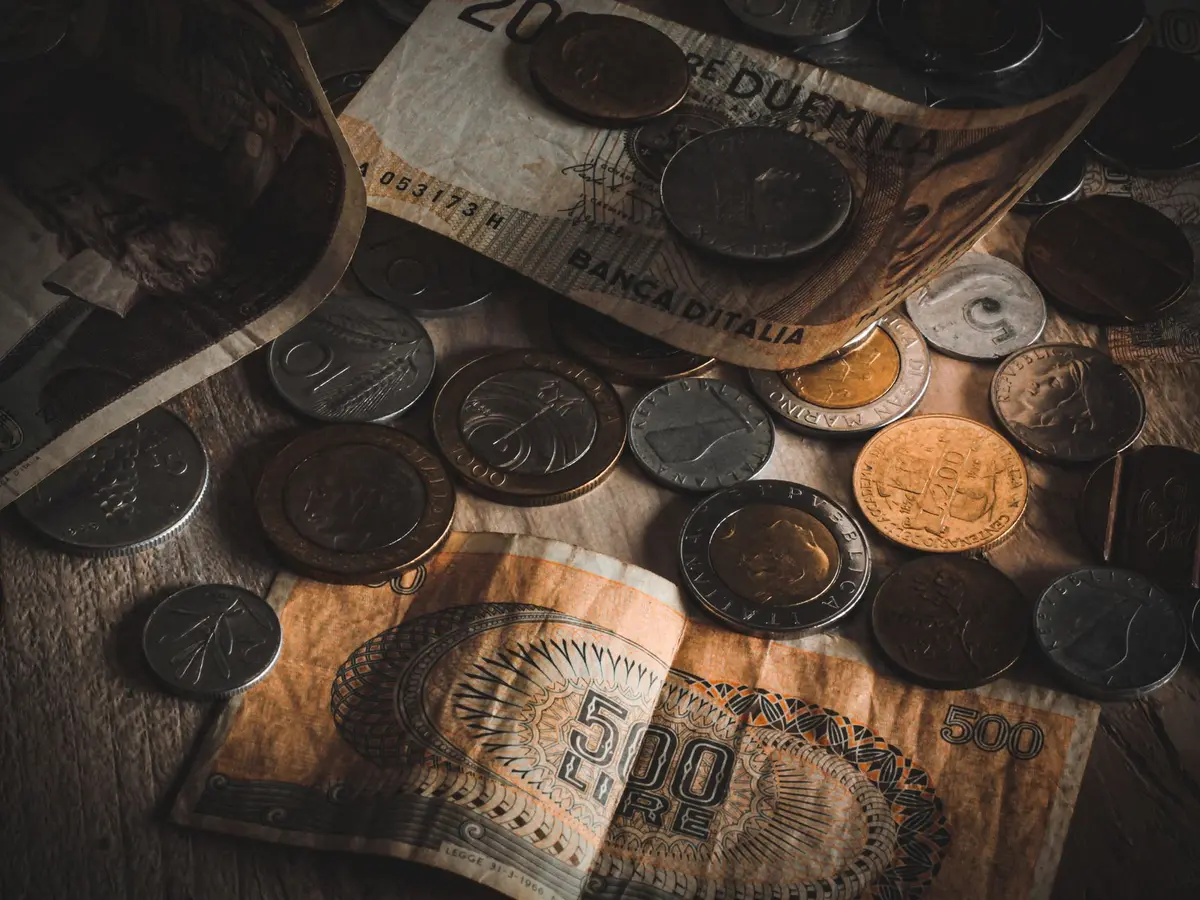
Liquidity is the ease with which an asset can be converted into cash quickly, without materially moving its price in the process. Cash itself is the most liquid asset of all, since it needs no converting; frequently traded shares usually sit close behind; property lies near the other end, taking weeks or months to sell. Liquidity and trading costs are linked: in thin markets, with few buyers and sellers present, bid-ask spreads widen and even modest orders can shift the price.
A worked example
Imagine two holders who each own an asset notionally worth 10,000 pounds, and each needs cash today. The first holds widely traded shares and sells within minutes for 9,990 pounds — a cost of 10 pounds, or 0.1 per cent, for immediacy. The second holds an illiquid asset whose only immediate buyer offers 9,000 pounds; turning it into cash today costs 1,000 pounds, or 10 per cent. Both assets were worth the same on paper; converting them was not remotely the same.
Liquidity is a property of the market rather than a verdict on the asset's quality, and it is not fixed. Markets that are deep in calm conditions can thin out abruptly under stress, so today's liquidity describes today, nothing more.